

NYC Noise Laws: What Every New Yorker Needs to Know
Share
New York City is one of the loudest cities in the world. Between the subway rumbling beneath your feet, construction starting at 7 AM, and neighbors who don’t believe in bedtime, the noise never really stops. But what legal protections do you actually have? And what can you do when the noise crosses a line?
This guide breaks down everything you need to know about NYC noise laws — from quiet hours and decibel limits to how to file a complaint and what happens when the city’s rules aren’t enough.
NYC Quiet Hours: When Is It Legally Too Loud?
Under the NYC Noise Code, official quiet hours in New York City run from 10 PM to 7 AM. During this window, noise standards become stricter across nearly every category — neighbors, bars, animals, and construction are all held to tighter limits.
One Week Windows
Noise Reduction in Just 7 Days
With CitiQuiet, you don’t have to wait months for peace and quiet. Our soundproof windows can be custom-made and installed in as little as 7 days from order to completion.
That said, anyone who has lived in the city knows that legal quiet hours and actual quiet are two very different things. The Noise Code sets the floor, not a guarantee of silence.
The NYC Noise Code: A Brief History
The NYC Noise Code was first established in the 1970s as the city’s population and noise complaints grew rapidly. It wasn’t significantly updated until 2005, when Mayor Bloomberg signed Local Law 113 — a sweeping revision designed to reflect modern acoustic science and address the surge in construction-related complaints.
Further updates followed in 2018 under Mayor de Blasio, tightening construction noise limits near residential properties. The law is enforced primarily by the Department of Environmental Protection (DEP), with the NYPD handling noise complaints in residential and nightlife contexts.
To report any noise violation in New York City, call or text 311, or submit a complaint online at nyc.gov.
Noise Rules by Category
The Noise Code breaks sound into categories, each with its own rules and decibel thresholds. Here’s what you need to know:
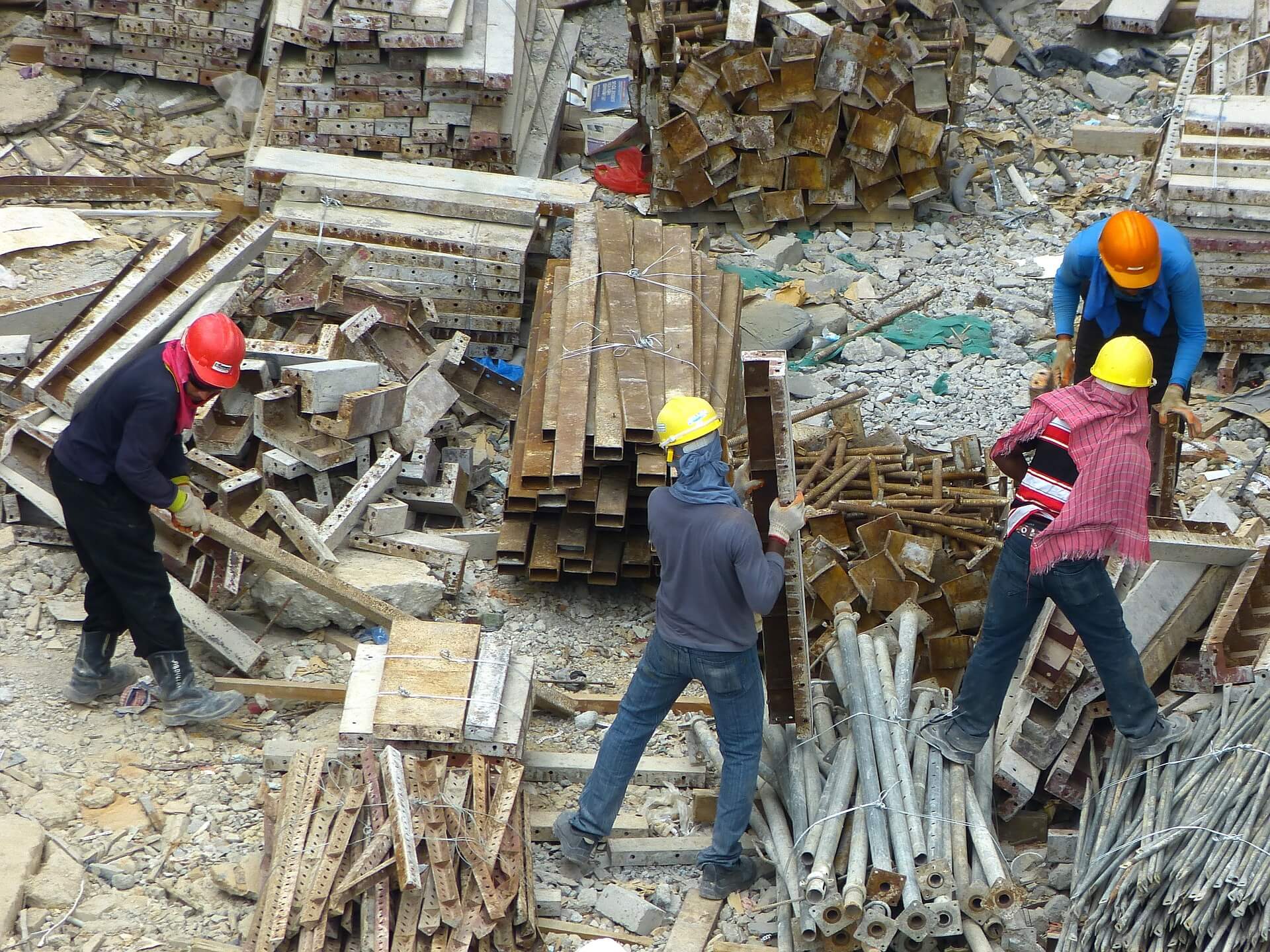
Construction Noise
Permitted hours: Weekdays, 7 AM to 6 PM only.
Any construction outside of these hours — including all weekend work — requires an After Hours Variance (AHV) approved by the Department of Buildings. Before any project begins, developers must submit a formal Construction Noise Mitigation Plan detailing how they’ll limit sound impact on nearby residents.
Key decibel limits for construction sites near residential properties:
- 75 dB(A) as measured at the property line or public right-of-way, 50 feet or more from the source
- 7 dB(A) above ambient levels inside residential units (for sites more than 200 feet from a residence)
- Louder equipment must be fitted with noise-reducing mufflers
- Work zones near public streets must use portable sound barriers
If you’re being disturbed by after-hours construction, you can look up whether a site has an AHV permit through the NYC Department of Buildings website before filing a complaint.
Animal Noise
Pet owners are legally responsible for ensuring their animals don’t disrupt neighbors. During daytime hours (7 AM–10 PM), sustained animal noise — like continuous barking — becomes a violation after 10 consecutive minutes. During quiet hours (10 PM–7 AM), that threshold drops to 5 consecutive minutes.
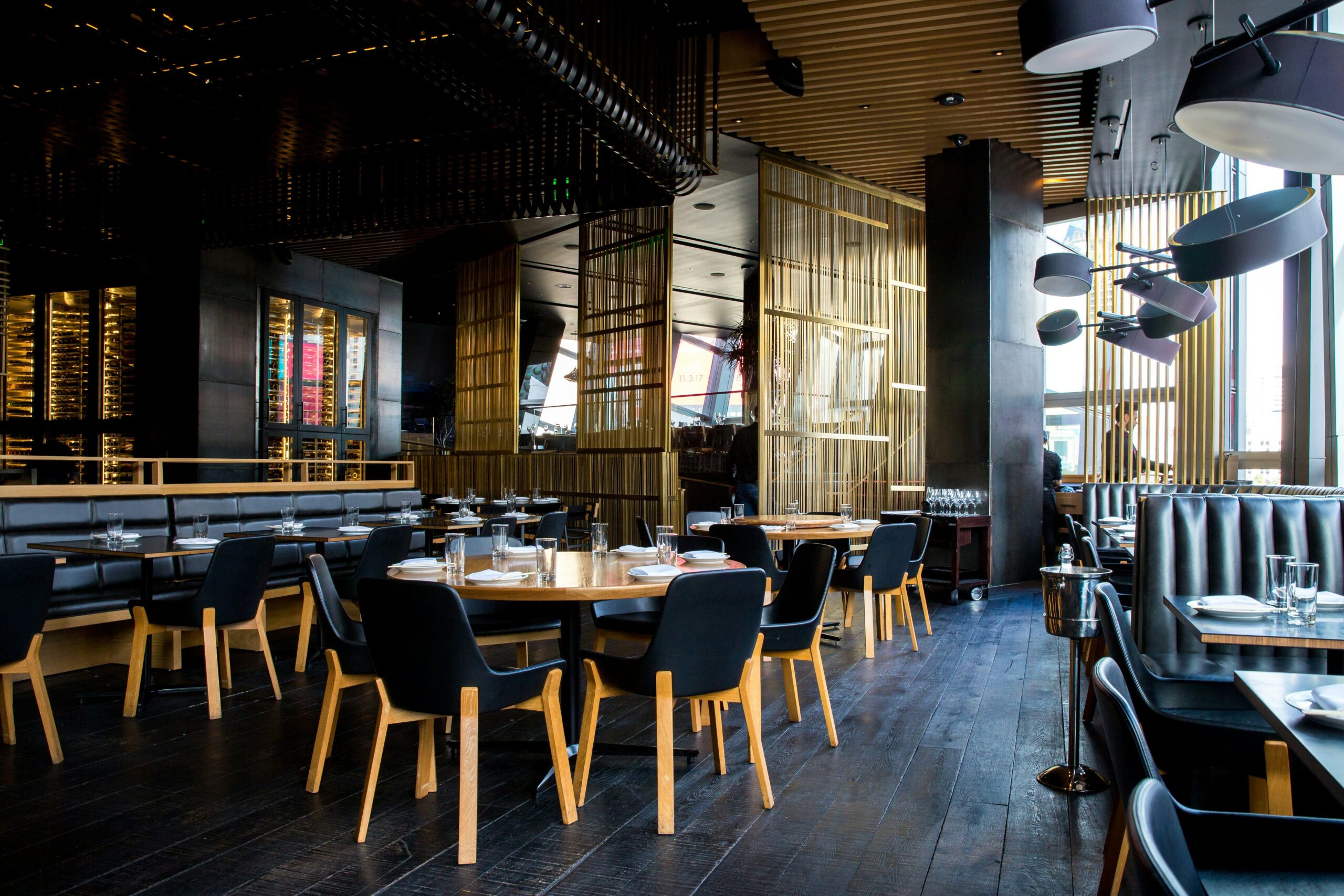
Bars, Restaurants & Live Music
New York’s nightlife is world-famous — but it comes with legal obligations. Venues must ensure that music from their establishments does not exceed:
- 42 dB(A) as measured inside a nearby residence
- 7 dB(A) above the ambient sound level on a public street within 15 feet of the source, during quiet hours
- Bass sounds must stay within 6 dB above the ambient street noise level
For particularly disruptive situations, the NYPD can respond to noise complaints at bars and clubs. For non-emergency situations, 311 remains the primary route.
Vehicle Noise
The Noise Code also applies to what’s happening on the street. Under NYC law:
- Excessive exhaust or muffler noise from a car is considered a violation if it is audible from 150 feet away
- Trucks and motorcycles must stay within 200 feet of audibility
- Horns may only be used to warn of imminent danger — honking in traffic jams is technically a violation
The city has even introduced noise cameras in some areas to automatically detect and ticket muffler and horn violations, with fines ranging from $350 to over $3,000 depending on the offense.
Food Trucks & Street Vendors
Ice cream truck jingles are a summer staple — but the Noise Code applies here too. The DEP works alongside the Department of Consumer Affairs to remind vendors of their obligations under the noise ordinance, particularly in residential neighborhoods during quiet hours.
Refuse Collection
Garbage trucks are one of the most common overnight noise complaints in the city. The Noise Code sets enforceable standards for refuse collection vehicles and requires the Department of Sanitation to comply with best management practices to reduce unnecessary noise during collection.
Air Conditioners & HVAC
Window AC units and HVAC systems are subject to noise limits as well. A single unit must not exceed 42 dB(A), while buildings with multiple units must remain below 45 dB(A) collectively.
What Are the Fines for Violating NYC Noise Laws?
Violating the Noise Code isn’t just a nuisance — it can be an expensive one. General noise violations carry fines of $150 to $400. But specific categories carry steeper penalties:
- Muffler noise (vehicle): $800 minimum, up to $2,625
- Illegal horn honking: $350 minimum, up to $3,000
- Vehicle music: $140 minimum, up to $1,050
- After-hours construction without a variance: significant fines plus possible work stoppage
How to File a Noise Complaint in NYC
If you’re experiencing noise that violates the code, here’s how to report it:
- Call or text 311 — the primary route for all non-emergency noise complaints
- Online: nyc.gov/311
- NYPD: For loud parties, bars, or any noise complaint requiring an immediate response
When filing a complaint, document as much detail as possible: address, floor or unit, time of day, duration, and the nature of the noise. If you can, log multiple incidents before calling. The more specific your complaint, the faster it tends to get resolved.
When the Law Isn’t Enough
Here’s the honest truth: even with the Noise Code in place, New York City is still extremely loud. Enforcement is reactive, not preventive. The DEP and NYPD respond to complaints — they don’t patrol for noise violations. And many sources of city noise, like traffic and subway systems, are entirely legal.
That means that for most New Yorkers, the noise coming through their windows isn’t a legal violation at all — it’s just the reality of urban life. Even Midtown Manhattan traffic routinely registers between 70 and 85 dB(A), well above what most people find comfortable for sleeping or working.
For residents who want real, lasting quiet, the only reliable solution is to address the noise at the point of entry: your windows.
How CitiQuiet Helps Where the Law Can’t
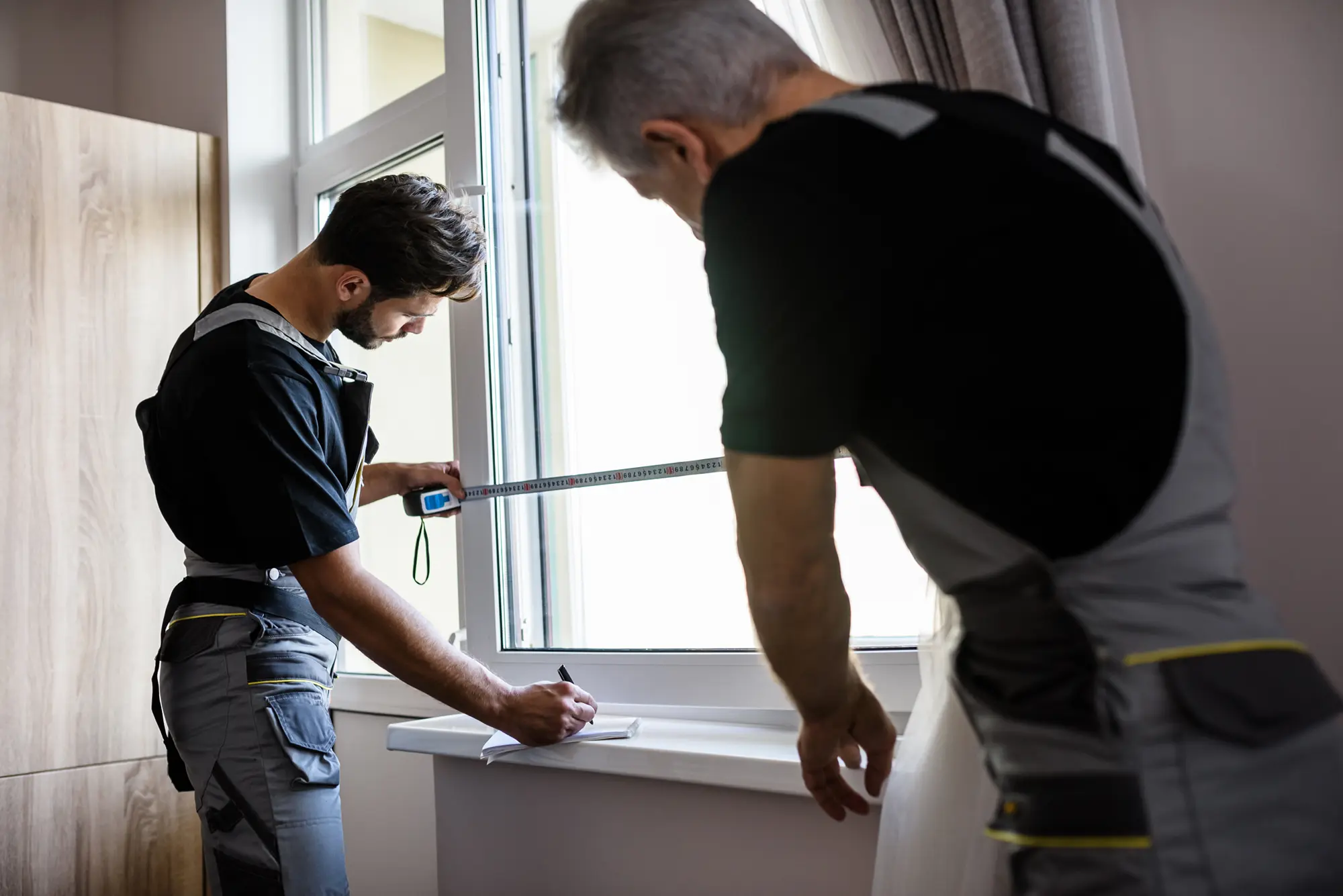
CitiQuiet soundproof windows are custom-built interior windows that install inside your existing window frame — no structural changes, no renovation. They use laminated glass and precision-fit frames to dramatically reduce the noise coming into your home, regardless of whether that noise is technically legal or not.
The result isn’t just less noise — it’s better sleep, lower stress, and a home that actually feels like a refuge from the city outside.
- Order to installation in as little as 7 days
- Custom-built for your exact window dimensions
- Reduces street noise, traffic, construction, and neighbor noise
- Also improves draft reduction, dirt filtration, and energy efficiency
- Complimentary on-site noise consultation included
Ready to stop putting up with the noise? Schedule your complimentary consultation today — or call us at (212) 874-5362.
Frequently Asked Questions about NYC Noise Laws
Quiet hours in New York City run from 10 PM to 7 AM. During this period, stricter noise limits apply to animals, bars, music venues, and other noise sources.
General violations carry fines of $150 to $400. Vehicle-specific violations like illegal horn honking can result in fines up to $3,000, and muffler violations can reach $2,625.
Call or text 311, submit a complaint online at nyc.gov, or contact the NYPD directly for noise issues requiring an immediate response.
Generally, no. Construction is permitted Monday through Friday, 7 AM to 6 PM only. Any weekend or after-hours construction requires an After Hours Variance (AHV) from the Department of Buildings.
If the noise exceeds 5 continuous minutes during quiet hours (10 PM–7 AM), it may be a violation. Start by calling 311, or contact the NYPD if the situation is more urgent. Documenting the dates, times, and duration of disturbances strengthens your complaint.
Categories
Get Your Complimentary Estimate Today
Don’t wait another day to enjoy the peace you deserve. Contact CitiQuiet Soundproof Windows NYC now for a free online estimate. We’ll help you choose the best soundproofing solution for your home or business, so you can finally enjoy the quiet in the city that never sleeps.
Noise pollution isn’t just annoying, it affects your health, sleep, and productivity.